
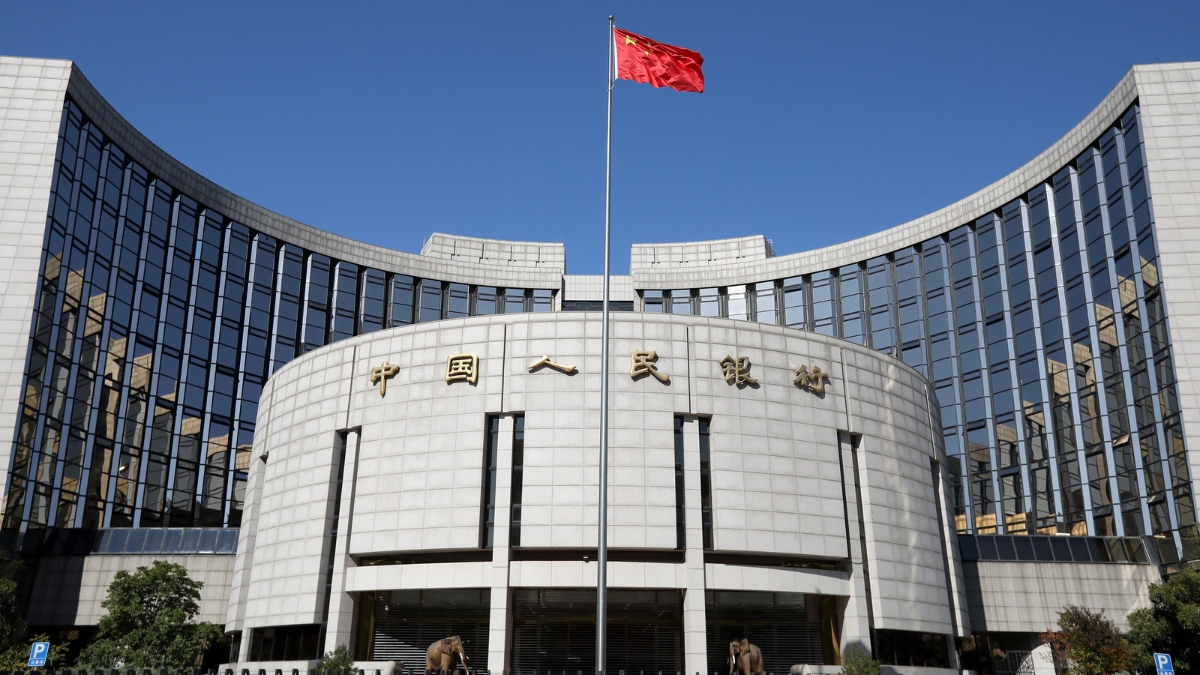
According to Reuters, China’s central bank left its benchmark loan prime rates unchanged on Feb. 24, 2026, keeping the one-year LPR at 3.0% and the five-year LPR at 3.5% for a ninth straight month. The decision keeps borrowing benchmarks steady while Beijing balances weaker domestic demand against a firmer yuan, which can limit room for broad rate cuts. The next market test is whether policy signals in March point to targeted easing instead of an across-the-board cut.
What changed on Feb. 24
China’s rate decision was simple on paper and important in context. The People’s Bank of China left the benchmark one-year LPR at 3.0% and the five-year LPR at 3.5%, extending a pause that has now lasted nine months. Reuters noted that the one-year rate is the reference for most new and outstanding loans, while the five-year rate is a key benchmark for mortgage pricing.
That means Beijing did not use this monthly fixing to deliver fresh broad easing, even as growth concerns remain in focus. For investors, the signal is less about the level itself and more about policy sequencing: China appears to be favoring a cautious, targeted approach rather than a quick headline cut to benchmark lending rates.
Why Beijing is moving carefully
The policy backdrop is a balancing act. Reuters has reported that China’s domestic demand remains weak and that credit data still show soft underlying borrowing demand, even when headline lending rebounds at the start of the year. In January, new yuan loans rose from December but missed forecasts, and outstanding yuan loan growth slowed to a record low 6.1% year over year, according to Reuters’ summary of PBOC data.
At the same time, the yuan has strengthened, which creates a second constraint. Reuters reported on Feb. 3 that the currency reached its strongest level since 2023 at 6.9378 per dollar, supported by export-related foreign-currency inflows and conversions into yuan. A stronger currency can help on imports and confidence, but it can also tighten financial conditions and pressure exporters if gains run too fast.
That is why “no change” can still be an active policy choice. It keeps room for future easing while avoiding a signal that could clash with currency management goals.
What the unchanged LPRs mean for borrowers and markets
For households and businesses, the immediate takeaway is continuity. Mortgage pricing benchmarks did not move, and the base rate used across many loans stayed flat. That does not mean overall financing conditions cannot change later through targeted tools, bank guidance, sector support, or reserve requirement adjustments. Reuters reported earlier in February that policymakers had signaled readiness to support growth and that the central bank still has room for broader easing if needed.
For markets, the bigger read-through is about timing. If Beijing keeps the LPR unchanged while growth slows toward the 4.5% pace forecast in a Reuters poll for 2026, investors may look for support to come first through fiscal steps or narrower policy channels, with benchmark cuts reserved for later if domestic demand stays soft.
Key details
- 1-year LPR: 3.0%
- 5-year LPR: 3.5%
- Streak: ninth straight month with no change
- China credit signal: January new loans rose but missed forecasts; loan growth slowed to a record low 6.1% y/y
- Yuan backdrop: Reuters reported the yuan hit 6.9378 per dollar on Feb. 3, its strongest since 2023
What to watch next
The next checkpoint is the March LPR setting, when markets will test whether Beijing keeps signaling patience. Investors will also watch for policy messaging around domestic demand support, credit growth, and whether officials lean more on targeted tools before touching benchmark lending rates. If the yuan stays firm and growth data stay soft, the policy debate will center on how far China can support activity without triggering unwanted currency moves.
SOURCES
- CNBC — “China leaves benchmark lending rates unchanged as Beijing signals tolerance for stronger yuan”
- Reuters — “China leaves benchmark lending rates unchanged for ninth straight month”
- Reuters — “Yuan expected to rise in 2026, but Beijing has its reasons for saying not so fast”
- Reuters — “China January new loans jump but miss forecasts as weak demand persists”
DISCLAIMER: This article is for informational purposes only and is not financial, investment, tax, or legal advice. Consider your personal circumstances and consult a qualified professional before making financial decisions.