
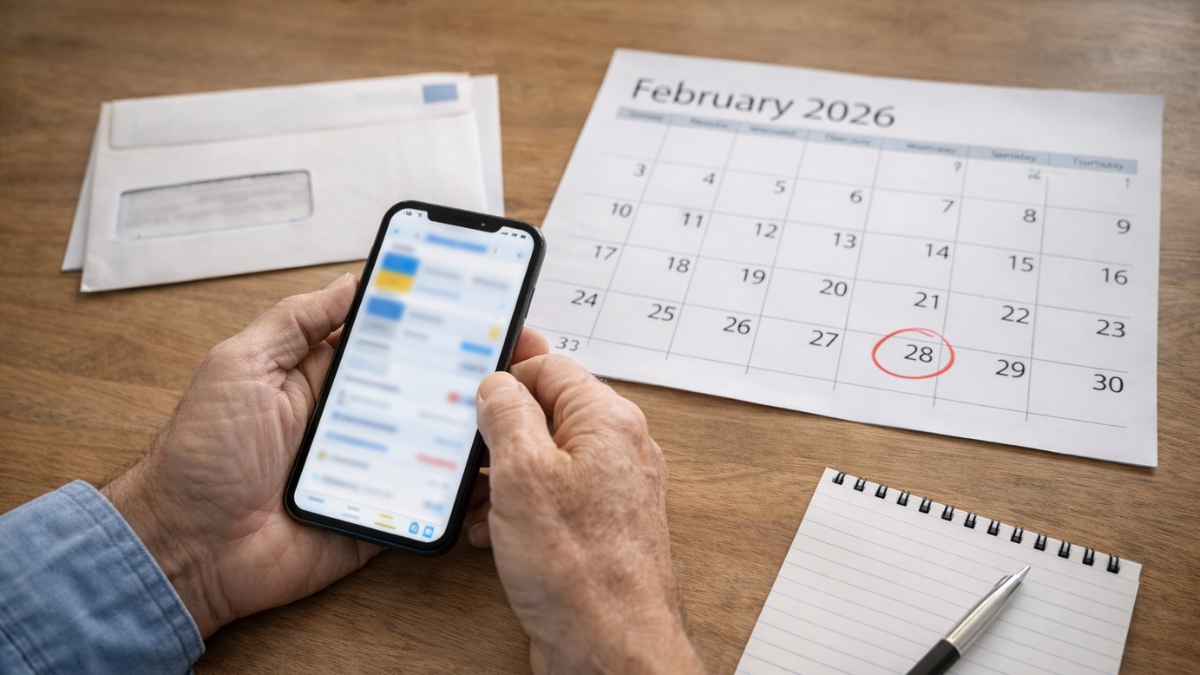
According to the SSA payment calendar and Yahoo Finance, March 2026 SSI benefits were issued early on Feb. 27, 2026 because March 1 falls on a Sunday. The catch is timing: that early deposit can create a 33-day gap until the next SSI payment on April 1, and many people checking their accounts are now seeing “Pending” or slow portal access while they try to confirm funds. As of 15:50 UTC on Feb. 27, SSA’s public web-services status page listed “All Systems Operational,” which is why the most common “missing payment” cases come down to bank posting windows, account setup issues, or normal processing time—not a confirmed program-wide stop.
What’s happening on Feb. 27, and why it feels confusing
This is a schedule shift, not a bonus check. SSI is normally paid on the 1st. When the 1st lands on a weekend or federal holiday, the payment moves to the prior business day. With March 1, 2026 on a Sunday, the March SSI deposit moved to Friday, Feb. 27.
The “panic moment” is what comes next. There is no SSI payment in March, because March’s money already arrived. The next deposit returns to the normal date: April 1. That gap is where budgets get tight and where “missing payment” searches spike.
Why “Pending” shows up even when nothing is wrong
“Pending” is a label that can mean very different things depending on where it appears:
- At the bank: many institutions show government deposits as pending before they officially post. Some post at midnight, some post during business hours, and some take longer depending on internal processing.
- Inside a benefits portal: “pending” can reflect an update cycle, a status refresh, or a lag between the payment file and the display layer. It is not a reliable indicator by itself that funds were not sent.
This is where the rumor cycle often starts: people refresh a portal, see a weird status, and assume the money is gone. SSA has dealt with portal outages and confusing messages before, including incidents that affected “my Social Security” access in prior years, which is why it helps to confirm the basics using official schedule guidance and the status tools SSA itself provides.
Quick checks that solve most “where is my money?” cases
Key details
- Confirm the schedule first: Feb. 27 is the March SSI payment date; next SSI payment is April 1.
- Check the bank before the portal: posted vs pending is usually a bank-side timing issue.
- Verify account setup: direct deposit routing/account numbers and benefit payment method must match what SSA has on file.
- Use the status page as a reality check: if SSA reports systems operational, widespread “site crash” claims are less likely.
- Give it the standard window: SSA guidance says to allow three additional mailing days if a payment is not received on the expected date.
If the deposit still hasn’t posted by end of day
When a payment truly fails to arrive, the fastest path is boring and step-by-step:
- Ask the bank if an ACH deposit is pending, rejected, or held for verification.
- Check for account changes (new bank, closed account, card replacement) that could cause a reroute.
- Wait the SSA-recommended window if the payment is not there on the expected date.
- Contact SSA only after the bank confirms no incoming deposit and the standard window has passed.
Be cautious with “fix it now” links. Payment days attract scams that impersonate agencies and ask for personal data. A missing deposit does not require paying a fee, clicking a marketing link, or sharing login codes with anyone.
What to watch next
Two dates matter most for SSI recipients right now: April 1 (the next SSI payment) and the next time the 1st lands on a weekend later in the year. For day-to-day troubleshooting, the most useful signal is simple: whether the bank posts the deposit by the end of the business day on Feb. 27, and whether SSA’s own status reporting shows any confirmed incident
SOURCES
- Yahoo Finance — “Social Security March payment schedule: Here’s when recipients get their checks”
- SSA Web Services Status — “SSA Web Services Status”
- Social Security Administration — “Schedule of Social Security Benefit Payments – 2026-2027”
- AP News — “Social Security Administration probes origin of website portal outage”
- Yahoo Finance — “March Social Security Checks: Are You Getting Paid Early This Year?”
DISCLAIMER: This article is for informational purposes only and is not financial, investment, tax, or legal advice. Consider your personal circumstances and consult a qualified professional before making financial decisions.