
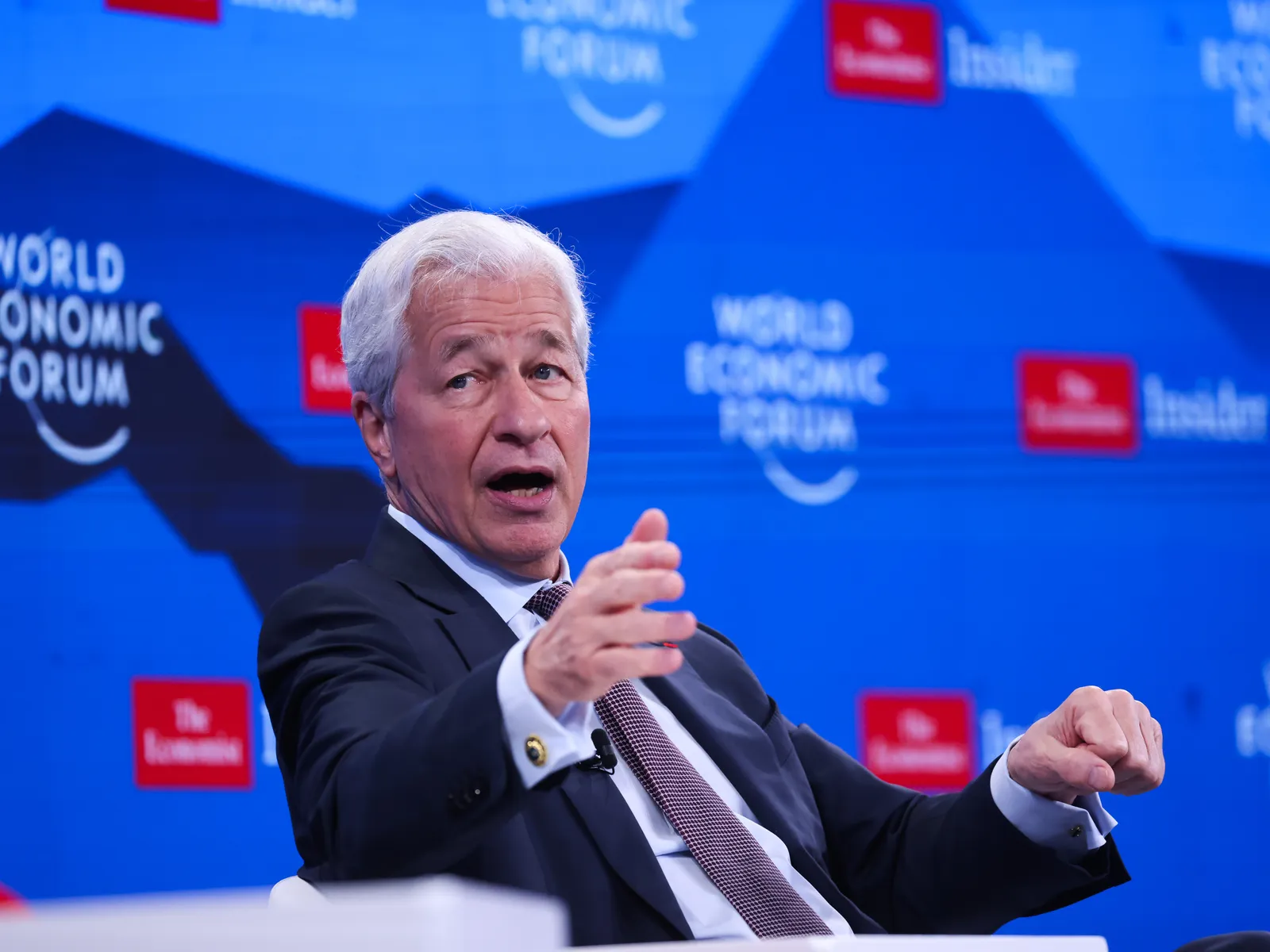
JPMorgan Chase CEO Jamie Dimon sounded the alarm on the U.S. fiscal trajectory this week, delivering a blunt message to Washington. Speaking to investors, the head of the nation’s largest bank warned that the U.S. National Debt—now surpassing $38 trillion—is becoming a drag on the entire economy.
Dimon’s critique focused not on the tax rate itself, but on how the government manages the money it already collects.
It Is Not Revenue, It Is Efficiency
Dimon argued that raising taxes without fixing the underlying spending habits is a futile exercise. “I don’t mind paying higher taxes,” Dimon noted, echoing previous sentiments about civic duty. “But I want to know that the money is being used effectively.”
His comments highlight a growing frustration on Wall Street. The concern is that capital is being wasted on bureaucratic inefficiency rather than productive infrastructure or education. Dimon suggests that simply pouring more revenue into the current system is like pouring water into a leaking bucket.
The ‘Hockey Stick’ Warning
The JPMorgan chief also revisited his warning about the shape of the debt curve. He described the current accumulation of debt as a “hockey stick”—a sharp, vertical spike that is unsustainable. With interest payments on the debt now consuming a massive portion of the federal budget, the government has less room to maneuver during a crisis.
Markets Are Watching
This is a signal to the bond market. If global investors lose faith in Washington’s ability to manage its balance sheet, they could demand higher interest rates on U.S. Treasuries. Dimon’s comments suggest that unless the U.S. establishes a department of government efficiency or creates a credible plan to curb the deficit, the “risk-free” status of the dollar could face long-term pressure.
SOURCES
- JPMorgan Chase (Shareholder Letters & Investor Comments)
- U.S. Treasury Department (National Debt Data)
- CNBC (Executive Interviews)