
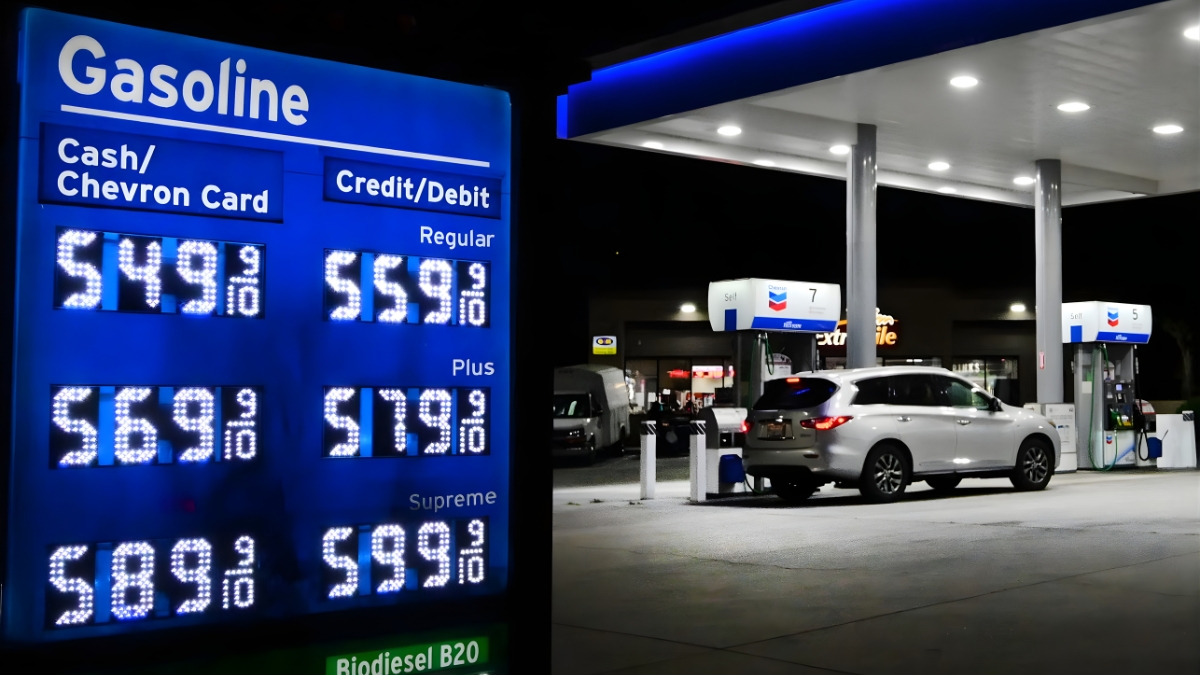
U.S. drivers are back in a place many hoped they would not see again: average gasoline prices above $4 a gallon. The move matters not only because it is symbolically painful, but because it lands at a time when many households already feel financially stretched. For consumers, the problem is not just that gas is expensive. It is that fuel costs hit the budget in one of the most immediate ways possible. Unlike rent or insurance, which may rise more gradually, gasoline is a price people can see changing in real time on giant signs at nearly every intersection.
That is why the latest surge has such an outsized effect on sentiment. People may not track oil futures, shipping routes, or geopolitical supply risk, but they understand instantly what a $10 or $20 increase in a fill-up means for the week ahead. In 2026, that sensitivity is even greater because households are still carrying the residue of several years of elevated living costs. Even if inflation is no longer running at its hottest pace, many essentials remain expensive enough that another energy shock feels less like a temporary inconvenience and more like a direct threat to already fragile financial stability.
Why gas prices have moved above $4
The immediate driver is the war involving Iran and the resulting disruption to energy markets. The biggest issue is not just the conflict itself, but what it does to supply expectations. Energy markets react quickly when traders believe oil flows could be interrupted, especially through the Strait of Hormuz, one of the world’s most important oil transit chokepoints. When markets start pricing in the possibility that a meaningful share of global crude supply could be delayed, blocked, or endangered, oil prices rise sharply. Gasoline follows.
That pass-through does not take long. Crude oil is the main input behind gasoline prices, so when oil spikes, refiners, distributors, wholesalers, and retailers all begin adjusting to a more expensive supply environment. Reuters reported that the U.S. national average moved above $4 a gallon by March 31, the first time in more than three years, after a steep run-up tied to the Iran war and shipping disruptions. AAA had already shown the national average climbing to $3.98 by March 26, up about a full dollar in one month. That kind of move is not normal seasonal noise. It is a shock.
Why this matters so much for household budgets
Gasoline is one of the most psychologically powerful prices in the economy because it is highly visible, frequently paid, and hard to avoid. A household can delay buying furniture or cut back on discretionary shopping, but many workers still need to drive to work, take children to school, or handle daily errands. For suburban and rural households especially, higher gasoline prices function almost like a sudden tax on mobility.
The damage compounds quickly. A driver filling a 15-gallon tank at $4.00 instead of $3.20 is paying about $12 more per fill-up. Over multiple vehicles and repeated trips each month, that becomes real money. And because gas spikes rarely come alone, the broader pressure can be worse than it first appears. Higher oil prices can filter into shipping, airfare, freight costs, and eventually the prices of other goods and services. So even households that drive less can still feel the second-round effects.
That is why a jump above $4 matters beyond the fuel category itself. It can worsen inflation expectations, hurt consumer confidence, and make households more cautious about spending elsewhere. Reuters separately reported that U.S. consumer sentiment slid in March as war-driven inflation fears intensified, with rising gasoline prices playing a major role in the decline. In other words, expensive gas does not just drain cash. It changes how people feel about the economy.
Why 2026 is a particularly vulnerable moment
This price shock would be painful in almost any year, but it is especially potent in 2026 because many Americans already feel overextended. Households are still dealing with high borrowing costs, expensive insurance, elevated food prices, and rent or mortgage pressure. Even where headline inflation has cooled from prior peaks, the level of prices remains much higher than it was before the inflation shock years.
That creates a different kind of vulnerability. The problem is not only that gas is rising. It is that many families have less flexibility left to absorb another hit. A temporary jump in fuel costs can force tradeoffs: fewer restaurant meals, delayed debt payments, less money for savings, and more reliance on credit cards. For lower-income workers who commute long distances, the pain is especially direct.
This is one reason energy shocks often have an outsized political and economic effect. They hit fast, feel unfair, and spread widely. Even consumers who are otherwise financially responsible can feel blindsided when a geopolitical event thousands of miles away suddenly changes what it costs to get to work in Ohio, Arizona, or Georgia.
Could prices go even higher?
They could, especially if the conflict drags on or worsens around critical shipping routes. Reuters reported that Brent crude rose above $114 per barrel as attacks and fears around oil transit intensified. The more markets worry that the Strait of Hormuz will remain blocked or dangerous, the greater the upside risk to oil and gasoline. BlackRock CEO Larry Fink warned that oil moving toward $150 could create global recession risk if Gulf instability continues.
That does not mean gas will automatically surge to 2022-style extremes nationwide, but it does mean the path of least resistance is higher if energy flows remain impaired. On the other hand, there is still a plausible scenario in which prices cool if tensions ease, shipping stabilizes, and oil producers adjust output. The U.S. Energy Information Administration said in its March 2026 outlook that Brent crude could stay above $95 per barrel in the near term before falling later in the year, though it emphasized that the forecast depends heavily on the duration of the Middle East conflict and production outages.
In other words, the outlook is unusually sensitive to geopolitics. That makes it harder for households to plan, because they are not dealing with a typical market cycle. They are dealing with conflict risk.
What policymakers are trying to do
Washington has already shown it is worried about the political and economic fallout. Reuters reported that the Trump administration temporarily suspended certain anti-smog fuel rules to allow broader summer gasoline sales, including E15, in an effort to ease supply constraints and reduce pump prices. There have also been other efforts to soften the blow, including moves aimed at improving energy transport flexibility.
Still, these measures can only do so much if the underlying crude shock remains severe. Retail gasoline prices can be influenced at the margins by regulatory flexibility, ethanol blending, and logistics relief, but they are still fundamentally tied to the global oil market. If crude remains elevated because of war risk, consumer relief measures may slow the ascent without fully reversing it.
That is why the real question is not whether policymakers can produce a headline response. It is whether they can meaningfully offset a geopolitical oil shock large enough to reprice energy globally. History suggests that is difficult.
What consumers can do right now
There is no magic solution when gas prices spike, but households can reduce the damage at the margin. The most effective short-term moves are practical rather than dramatic: consolidating errands, using gas-price apps, keeping tires properly inflated, avoiding aggressive acceleration, and reducing unnecessary trips. For two-car households, shifting more miles to the more fuel-efficient vehicle can also make a noticeable difference over a month.
The more important financial move is budgetary. When gas surges, households should treat it like a category that must be actively re-forecast rather than passively absorbed. That means updating the monthly budget quickly, because pretending the increase is temporary can lead to silent overspending elsewhere. A $40 or $80 monthly fuel increase might seem manageable in isolation, but if it gets covered with credit card debt while food and utility costs are also rising, the effect can linger long after gas prices eventually come down.
For households already financially stretched, the goal should be to prevent a temporary energy shock from becoming lasting debt.
The bigger economic message
Gasoline above $4 a gallon is not just a transportation story. It is a reminder of how exposed the U.S. consumer still is to global energy disruptions. The economy may look resilient on paper in some areas, but households remain highly sensitive to everyday price shocks. That matters for retailers, for policymakers, and for the Federal Reserve, because energy-driven inflation can shape sentiment and expectations even when it does not fully define the broader inflation trend.
The bigger risk is not only that people spend more at the pump. It is that another visible cost increase deepens the feeling that financial relief never really arrived. For millions of Americans, that is what turns an energy story into a household-money story.
Bottom line
U.S. gas prices moving back above $4 a gallon in 2026 is a major financial pressure point for consumers because it combines geopolitical risk, higher oil prices, and already-fragile household budgets. What makes this spike especially painful is not just the number on the sign. It is the timing. Americans are being hit by an energy shock at a moment when many still have little cushion left.
If the Iran war drags on and oil supply risks remain elevated, drivers could face more pain ahead. If tensions ease, prices may cool. But right now, the message from the pump is clear: global conflict is once again showing up in one of the most personal prices in the American economy.
SOURCES
- Reuters – “US pump prices hit $4 a gallon as Iran war wreaks havoc on global energy supply“
- AAA – “National Gas Average Jumps One Dollar in One Month“
- U.S. Energy Information Administration – “EIA releases latest Short-Term Energy Outlook amid uncertain global oil markets“
- Reuters – “US consumer sentiment slides to three-month low as war fans inflation fears“
- Reuters – “US suspends anti-smog fuel rules in bid to ease pump prices“