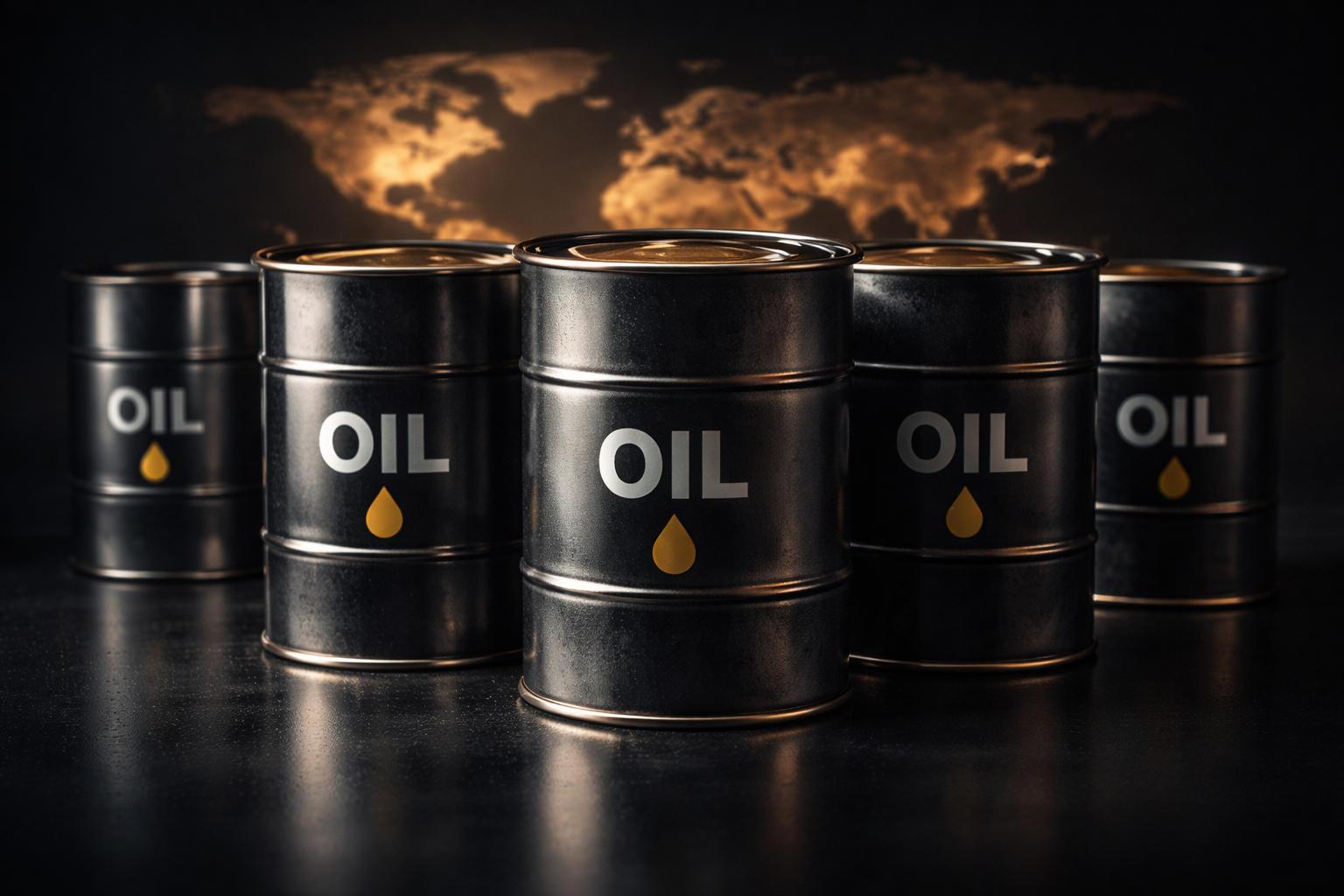
Oil already jumped, shipping risk escalated, Hormuz disruption looks more operational than hypothetical. According to Reuters, the United States and Israel launched strikes on Iran on Feb. 28, 2026, escalating Middle East tensions and putting oil supply risks back at the center of market pricing. Brent crude was trading around $73 a barrel on Feb. 27, already up about 20% in 2026, and economists warned a prolonged disruption could push oil toward $100 and lift global inflation by 0.6–0.7 percentage points. The immediate watch is whether the conflict affects shipping through the Strait of Hormuz, where major trading houses have already paused some movements, tightening the market’s “risk premium.”
What changed since publication:
* Brent jumped about 10% in OTC trade
* Iran said navigation through Hormuz was halted
* Tanker traffic stalled and insurers braced for higher war-risk costs
Why oil is the first market “read” on Middle East risk
Oil is not just another commodity in moments like this. It is the quickest, most liquid way markets price the chance of supply disruption, shipping delays, and higher insurance costs. Reuters described the strikes as a trigger for broader conflict risk, with Iran’s location and production footprint making energy the pressure point investors watch first.
That framing matters for the U.S. economy because the energy channel hits fast: gasoline prices, freight costs, airline margins, and inflation expectations can all move before corporate earnings do.
The chokepoint that keeps coming up: Strait of Hormuz
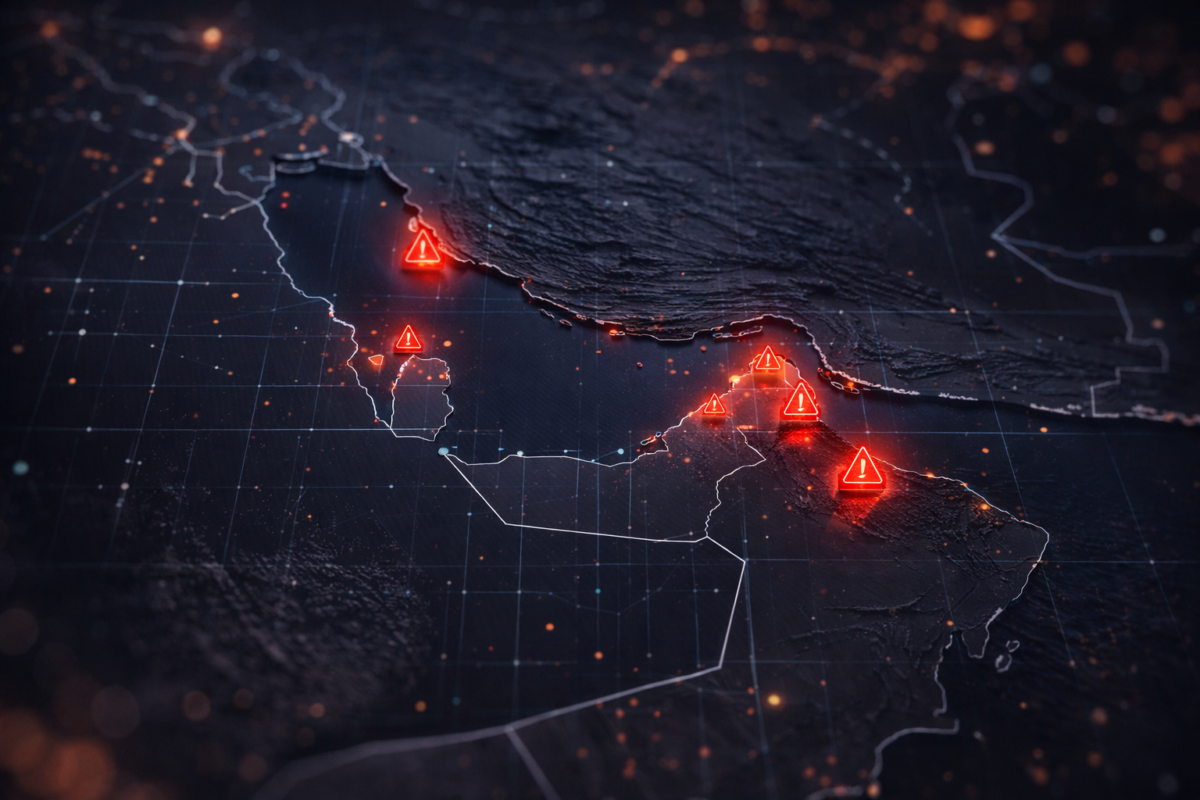
The Strait of Hormuz is where the situation turns from “headline risk” into “supply risk.” Reuters noted that about 20% of global oil supply passes through the strait, and reported that some oil majors and trading houses suspended crude and fuel shipments through it after the strikes.
The Energy Information Administration has long flagged Hormuz as one of the world’s most critical oil chokepoints. EIA estimated that in 2024 oil flows through the strait averaged about 20 million barrels per day, roughly 20% of global petroleum liquids consumption, with limited alternatives if the route is disrupted.
The economic channel: inflation, growth, and rate expectations

Even without a full supply outage, a higher oil “risk premium” can push inflation higher and squeeze consumers. Reuters cited Capital Economics’ view that a contained conflict could lift Brent toward about $80, while a prolonged conflict that affects supply could push oil toward $100 and add 0.6–0.7 percentage points to global inflation.
That is where markets start thinking beyond crude. Higher inflation can complicate the path to rate cuts, while higher energy costs can also slow growth—an uncomfortable mix for central banks and risk assets.
Spillovers: currencies, volatility, and travel
Reuters also pointed to the broader “risk-off” playbook. Volatility has already been elevated in 2026, and analysts warned the conflict could add fresh swings across currencies and equities. The same report highlighted how safe havens like the yen and Swiss franc often benefit in geopolitical stress, while airlines can come under pressure if routes and airspace are disrupted.
For U.S. markets, one wrinkle is that the U.S. is now a large energy producer. In some scenarios, higher oil can support parts of the energy sector even as it raises costs for consumers and businesses.
Key details
- Oil level before the strike: Brent around $73 on Feb. 27, up about 20% in 2026
- What markets fear: disruption around the Strait of Hormuz; some shipments paused
- Why Hormuz matters: ~20 million b/d flowed through in 2024, about 20% of global petroleum liquids consumption
- Macro risk (attributed): prolonged supply impact could push oil toward $100 and add 0.6–0.7 pp to global inflation
What to watch next
The next market-moving signals are operational, not rhetorical: shipping traffic through Hormuz, insurance and freight costs, and any confirmed changes in export flows from the Gulf. The second layer is policy: whether producers increase supply elsewhere, and whether governments signal readiness to use strategic reserves if prices spike.
For consumers and investors, the practical takeaway is that oil does not need to stay at $100 to matter. A sustained rise in crude can pressure inflation and growth at the same time—exactly the mix that tends to raise volatility across stocks, bonds, and currencies.
SOURCES
- CNBC — “How the attack on Iran could impact the global oil market and economy”
- Reuters — “How US-Iran tensions could shape world markets”
- U.S. Energy Information Administration (EIA) — “Amid regional conflict, the Strait of Hormuz remains critical oil chokepoint”
- Financial Times — “US not planning to tap strategic reserve as Iran war risks oil surge”
- Oil jumps 10% on Iran conflict and could spike to $100 a barrel, analysts say
DISCLAIMER: This article is for informational purposes only and is not financial, investment, tax, or legal advice. Consider your personal circumstances and consult a qualified professional before making financial decisions.